Protests took place in Tel Aviv, Jerusalem, Haifa, and Beersheba, as a survey found broad but uneven support among Jewish Israelis for Operation Roaring Lion.
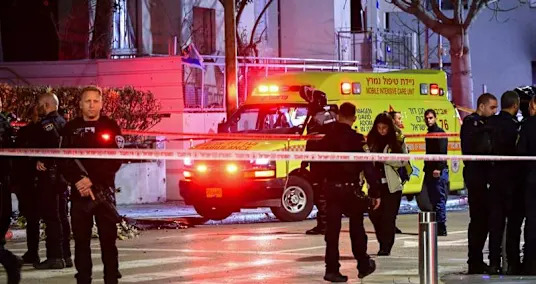
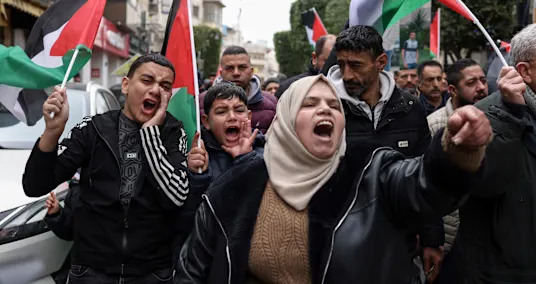
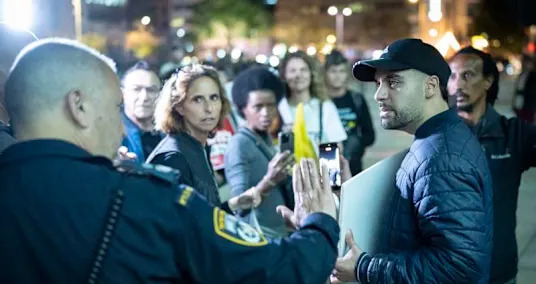
Israel Police arrested 21 anti-war protesters Saturday night as demonstrations against the conflict with Iran expanded in multiple cities despite restrictions on public gatherings.
Protests took place in Tel Aviv, Jerusalem, Haifa, and Beersheba, with hundreds of participants reported in Tel Aviv and Jerusalem and about 100 in Haifa, marking the largest turnout since weekly demonstrations began. Authorities said 13 people were arrested in Tel Aviv and eight in Haifa.
Police said the gatherings were not approved under Home Front Command regulations that ban events with more than 50 people. Officials said the increase in turnout followed calls by groups opposing the government to protest despite the restrictions.
“During a situation assessment that took place at the scene with a Home Front Command representative… it was clarified that there was a real risk to human life and accordingly, Yarkon [precinct] police commander Tzachi Sharabi ordered the gathering to be dispersed,” police said.
Hadash-Ta’al chairman Ayman Odeh, an Arab lawmaker involved in the protests, criticized the police response, calling officers fascists “in the service of the government” and saying they were afraid of “the heroic citizens who went out, despite everything, to make their voice heard.”

Survey shows broad, uneven support for war
The demonstrations come as a March 2026 survey by the Israel Democracy Institute found broad but uneven support among Jewish Israelis for Operation Roaring Lion. Support was strongest on the Right at 87% and about half on the Left.
The survey also found that Jewish and Arab respondents largely agreed that Iran’s resilience has been stronger than expected. Most Jewish respondents said Israeli society could sustain the campaign for up to one month, while 28% said as long as needed. Arab respondents were less optimistic about how long the public could endure the conflict.
A majority of Jewish respondents said Prime Minister Benjamin Netanyahu’s decision was driven by security considerations, while most Arab respondents viewed it as political.
LATEST POSTS
- 1
 What to expect from the planets in 2026 — key dates and sky events
 - 2Israel strikes south Lebanon after first direct talks in decades
- 3Monetary Wellness: Planning Tips for Independence from the rat race
- 4Dave Coulier shares new cancer diagnosis 1 year after revealing previous diagnosis
- 5West Palm Beach Shorecrest, renderings of downtown waterfront condo



- Record-breaking flu hospitalizations in New York in a single week: Health officials
- Your kid wants it now. What saying yes, no or not yet teaches kids about money and instant gratification.
- One killed, several injured in Iran missile barrage on southern, central Israel
- Tata Motors, BMW among automakers set to raise prices in India
- UN panel says Israel operating 'de facto policy of torture'
- The new queen of country music has no scandals and no gimmicks — and just broke a record set by Taylor Swift
- Are Iraqi militias crossing into Iran to support Iran's war effort?
- How to see the Ursids, the final meteor shower of 2025
- Palestine weekly wrap: Protests sweep West Bank after death penalty law