The data reflects the feelings of the young people participating in the survey, but paints a worrying picture that is mirrored in Aluma’s ongoing work in the field.
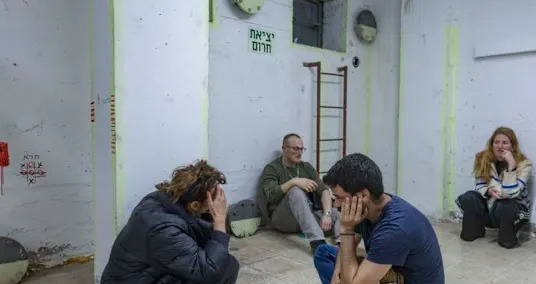
Amid the ongoing war and the upheaval it creates in everyday life, the Aluma organization, which works to expand mobility among young people in Israel and to provide support at life's crossroads of service, education, and employment, conducted an internal survey among 237 young men and women it supports. The results point to a severe and deepening crisis beneath the radar.
The data reflects the feelings of the young people participating in the survey, but paints a worrying picture that is mirrored in Aluma’s ongoing work in the field.
According to the data and Aluma’s work, many young people feel that the government does not see them and does not provide a sufficient response to their needs.
Only 3% of respondents felt that the state cares about the future of young people in Israel, whereas 74% stated that they feel that the state does not see them and does not care about their future at all, or only to a small extent.
The main impact is in the field of education, according to Aluma’s findings, with 64% of young people reporting damage or freezing of their academic plans due to the war, and 45% listed education as their primary concern.

About a quarter of those surveyed stated that they are especially worried about their economic situation.
Growing instability, diminishing optimism
At the same time, the feeling of instability is growing. A majority of the young people surveyed, 57%, reported uncertainty as a description of their feelings about their future in Israel. Only 30% felt optimistic about their future in Israel.
The potential consequences of the situations are already visible, with about 30% of young people surveyed having thought about or considered leaving Israel for an extended period, with 9% of them seriously considering or planning to leave.
Dr. Tami Halamish Eisenman, CEO of Aluma, said that "the young people we meet every day are at the very turning points of their lives - after military service, at the beginning of their studies, on the path to independence. The war caught them there, and we see the impact.”
“As in any crisis, they are the first to be affected and among the last to be talked about. This survey does not surprise us; it confirms what we hear from the field,” Eisenman said.
"The question is not whether there is a problem, but when we start addressing it. Without focused attention, we may find ourselves in a few years with much deeper gaps."
LATEST POSTS
- 1
 4 injured in suburban Philadelphia nursing home explosion file negligence lawsuit
 - 2Putin critic gets six years in penal colony, vows hunger strike
- 3The Secret Destinations Amex Says Will Be More Popular Than Bali by 2026
- 4Where is Santa right now? NORAD tracks his 2025 Christmas Eve flight.
- 5Cheetos and Doritos to launch new versions without artificial dyes


- Scientists may be overestimating the amount of microplastics in the environment – and the culprit is lab gloves
- Aurora chaser catches a fox basking in the glow of Finland's legendary 'fox fires' (photos)
- Which restaurants and fast food chains will be open on Christmas Eve and Christmas Day?
- Sought-After Extravagance Ocean side Objections for a Lovely Escape
- New movies to watch this weekend: See 'Wake Up Dead Man: A Knives Out Mystery' in theaters, rent 'Bugonia,' stream 'Caught Stealing' on Netflix
- Yemen's Houthis ready to join Iran war if needed, raising new shipping risk
- The most effective method to Decide the Best Auto Crash Attorney for Your Lawful Necessities
- Manual for Wonderful Getaway destination
- Vote in favor of Your #1 sort of pie